
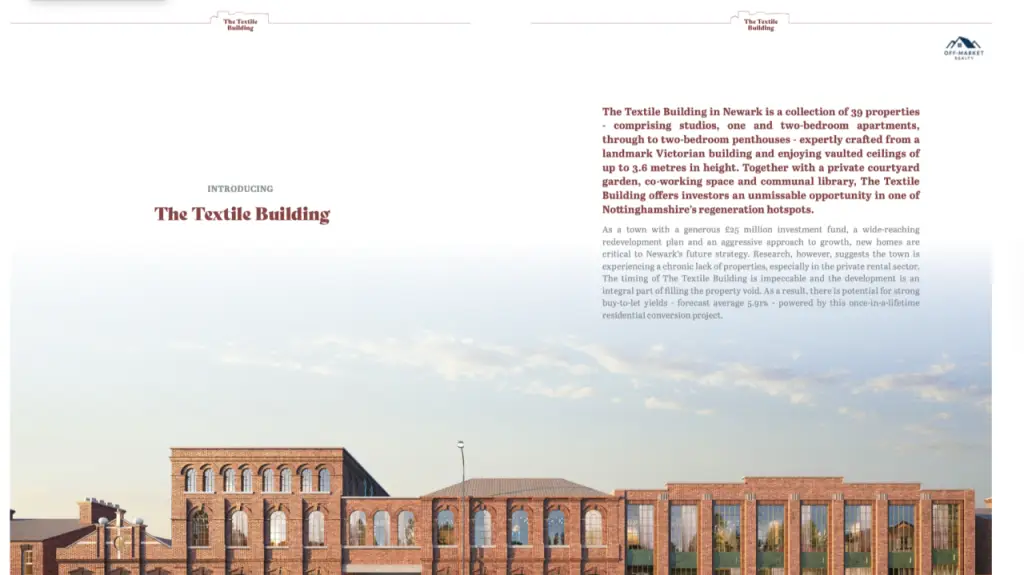
What Are Market Towns?
For many property investors, the spotlight often falls on major cities with their tall skylines, buzzing commercial centres, and strong global reputations. Places like London, Manchester, and Birmingham are often seen as the prime destinations for building a property portfolio. But beyond the hustle of these urban giants lies a quieter, and in many ways more resilient, investment story — that of market towns. These towns, often rich in history and community spirit, are steadily gaining ground as reliable investment locations. As lifestyle preferences shift, infrastructure develops, and affordability pressures continue to mount in cities, market towns are increasingly drawing the attention of savvy investors who want both stability and growth.
What Are Market Towns?
Market towns first developed centuries ago as trading hubs where people from surrounding villages and countryside would gather to buy and sell goods. The term “market town” comes from their legal right, granted by royal charter, to host regular markets. While they were once primarily commercial centers for agriculture and trade, modern market towns have evolved into vibrant communities that retain historical charm but now offer a range of services, shops, and amenities that make them attractive to residents and visitors alike. In the UK, examples include Harrogate, Newark-on-Trent, Marlborough, and Ludlow.
Why Market Towns Make a Smart Investment
Market towns appeal to investors for several interconnected reasons that, when taken together, paint a compelling picture of both financial return and long-term security. To begin with, property prices in market towns are generally much lower than in major cities. This affordability reduces the barrier to entry for first-time investors and allows seasoned investors to spread their capital across multiple properties, thereby diversifying risk. Despite being more affordable, demand for housing in these areas remains consistently strong. Families are often attracted by good schools and safe neighborhoods, professionals appreciate the calmer environment coupled with transport links to cities, and retirees value the slower pace of life — all of which contribute to low vacancy rates and reliable rental income.
In addition, lower purchase prices relative to achievable rents frequently result in higher yields, sometimes reaching 6–8%, compared with 3–4% in large urban centers. Beyond yields and affordability, market towns also show impressive capital growth potential. Regeneration projects, improved transport networks, and digital connectivity upgrades have boosted both demand and property values. The pandemic has only accelerated lifestyle changes: hybrid working and remote-first jobs have freed people from city-centre living, making green space, community, and local amenities more important than ever.
Exploring the Growth Potential of Newark-on-Trent
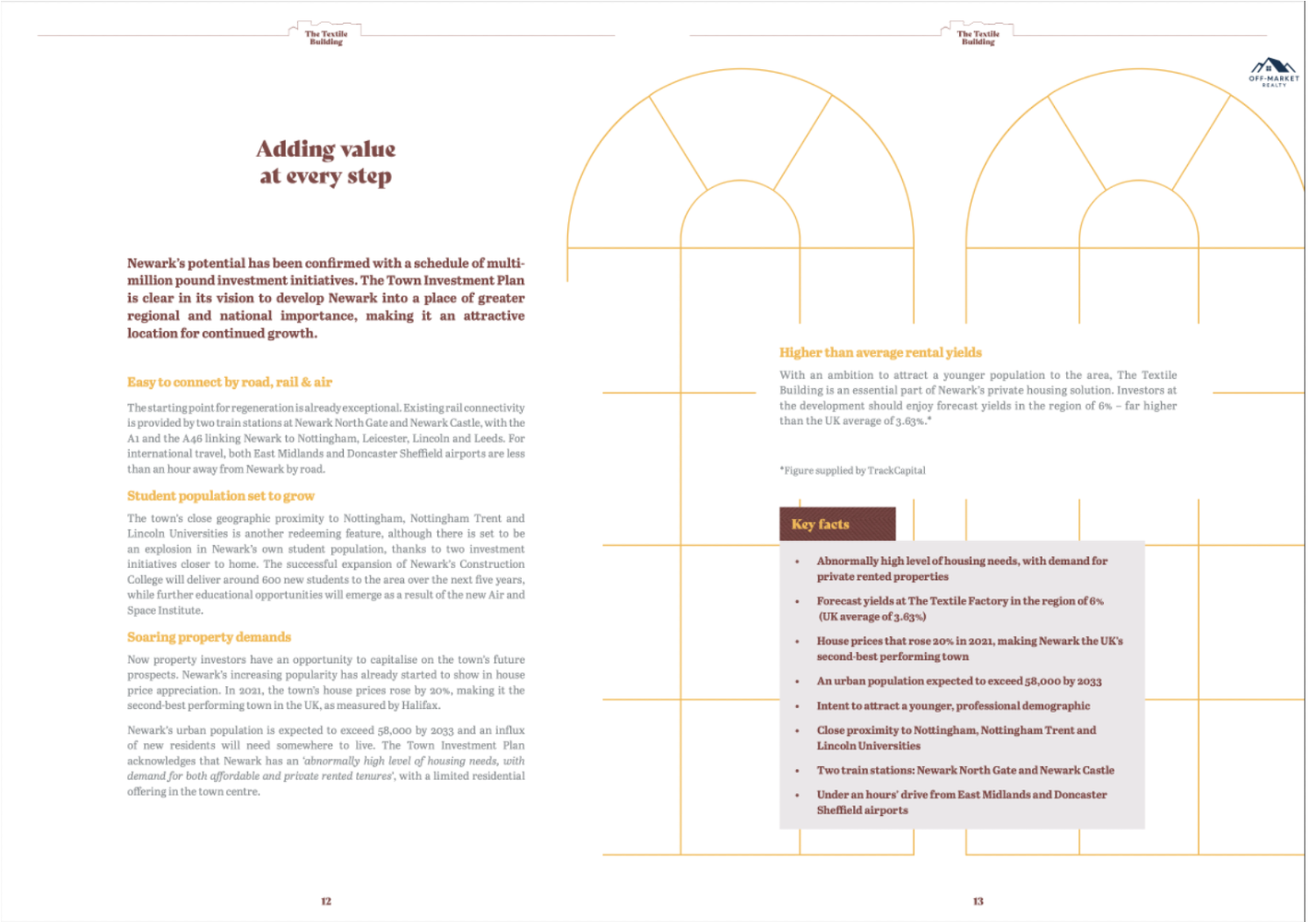
Situated in the East Midlands, Newark-on-Trent is a standout example of how market towns are driving the next phase of regional property growth. With ongoing regeneration, rising tenant demand, and limited new housing supply, Newark presents an attractive balance of affordability and capital growth potential.
The town benefits from direct rail links to London King’s Cross in just over an hour, alongside strong local employment in logistics, advanced manufacturing, and the public sector. This combination has made Newark increasingly appealing to commuters, professionals, and families seeking better value outside major cities.
Developments such as The Textile Building are redefining the area, transforming historic architecture into contemporary, high-yielding residences. With rental yields forecast to average 5–6% and steady year-on-year capital appreciation, Newark-on-Trent represents the type of sustainable, long-term investment that’s becoming synonymous with the UK’s market town revival.
The Textile Building: A Heritage Conversion with Modern Potential
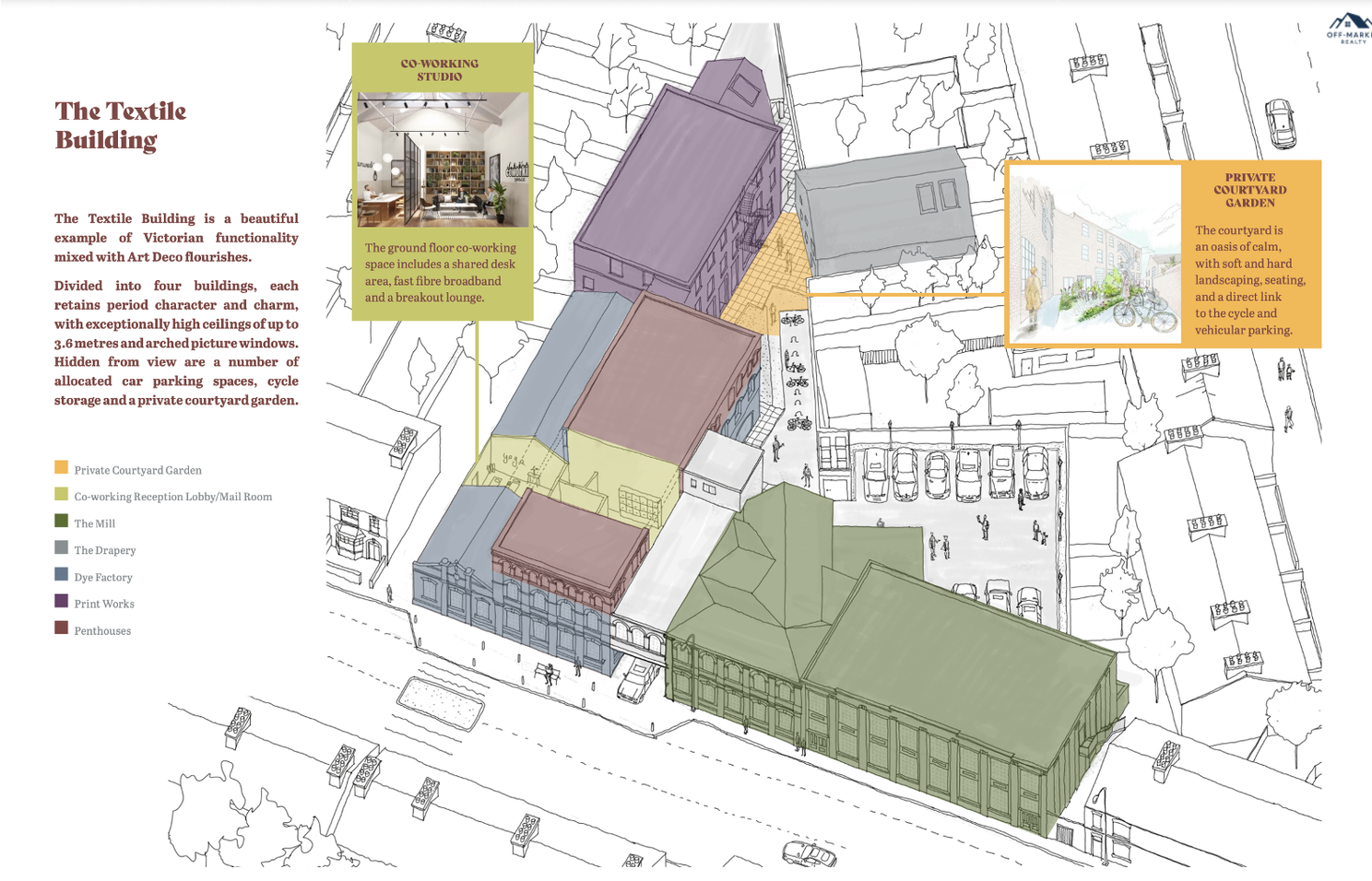
Once a historic Victorian mill, The Textile Building has been meticulously redeveloped into 39 boutique residences, combining period architecture with contemporary living. The collection includes studios, one and two bedroom apartments, and penthouses, each featuring vaulted ceilings up to 3.6 metres, large arched windows, and elegant Art Deco-inspired detailing.
Set within a private courtyard, the development includes co-working spaces, landscaped gardens, and cycle storage, designed to meet the needs of today’s professionals seeking both heritage and convenience. Located in the heart of Newark-on-Trent, the project is ideally positioned to benefit from the town’s regeneration push, forecast rental yields of around 6%, and rising housing demand across the East Midlands.
With its balance of character, location, and long-term investment appeal, The Textile Buildingrepresents one of the region’s most distinctive opportunities for investors seeking stable growth in a historically rich market town.
Final Thoughts: Why Market Towns Are a Smart Bet
For too long, property investors have overlooked market towns in favor of headline-grabbing cities, but times are changing. With their combination of affordability, stable demand, attractive yields, lifestyle appeal, resilience, and strong infrastructure investment, market towns offer a balanced and sustainable path to property success. They are not just quaint alternatives to the urban grind — they are thriving communities that present real opportunities for investors willing to look beyond the obvious.
At Off-Market Realty, we specialize in sourcing exclusive, off-market opportunities in exactly these kinds of locations. Our seamless investment process ensures that whether you’re a first-time investor or managing a multi-property portfolio, you gain access to properties that others cannot, supported by expert guidance at every step. If you’re ready to explore market town investments that combine stability with growth, now is the time to act.