
Oxford is one of the UK’s most resilient property markets, and one of the most misunderstood. Behind the postcard image of spires and colleges sits a hard investment case: chronic housing undersupply, a booming science economy, and a tenant pool of 40,000+ students and thousands of professionals who all need somewhere to live. For investors weighing up Oxford property investment in 2026, the appeal isn’t nostalgia. It’s the numbers.

Oxford Property Investment at a Glance
Average property price: around £473,000 (up 2.2% year-on-year — ahead of the wider South East)
Average monthly rent: roughly £1,950, up nearly 7% year-on-year
Typical gross rental yields: 3.8%–4.8% citywide, rising to 5%–6.5% in stronger postcodes like OX4 (Cowley and East Oxford)
Tenant demand: 40,000+ students plus a fast-growing science and healthcare workforce
Supply: severely constrained by greenbelt and strict planning, new homes can’t keep pace
A City Defined by Knowledge and Global Influence
At the heart of Oxford’s investment strength is its economy. The University of Oxford, the oldest in the English-speaking world, anchors a city that has become one of Europe’s leading centres for life sciences, biotechnology, healthcare and AI, part of the wider Oxford–Cambridge Innovation Arc.
This isn’t a static, heritage economy. Oxford is targeting around 3,000 new science and technology jobs by the end of 2026, backed by more than £750 million of new laboratory and research space. Every one of those roles is a well-paid professional who needs housing, and who typically rents first. Combined with the two universities’ 40,000-plus students, this creates a uniquely resilient rental market underpinned by long-term demand rather than short-term cycles.
Why Demand Consistently Outstrips Supply
Oxford’s market is defined by one fundamental imbalance: demand far exceeds supply, and the gap is structural.
Strict planning rules, protected greenbelt land and the city’s historic core sharply limit new development, particularly in prime residential areas. Meanwhile the population of students, academics, hospital staff and science-sector professionals keeps growing. The result is exceptionally low vacancy rates and strong, sustained rent growth, Oxford rents rose almost 7% in the last year alone. For a landlord, that means properties let quickly, tenants stay, and rental income holds up even when the wider market softens. This is exactly the kind of supply-constrained fundamentals that make a market defensive.
Rental Yields and Capital Growth
Oxford rewards investors who choose the right postcode. Prime central areas (OX1) offer prestige and stability but modest yields of roughly 3.5%–4.5%. The stronger income plays sit slightly out from the centre: OX4, covering Cowley and East Oxford, delivers gross yields of 5%–6.5%, among the best in the city, driven by demand from students and young professionals.
On capital growth, Oxford has proven steadily resilient, values rose 2.2% over the past year, outperforming the South East average of 1.2%, and the restricted supply that limits new building also protects long-term appreciation. For most investors, the smart Oxford property investment blends the income of an OX4-style postcode with the enduring capital security the city is known for.
 Connectivity
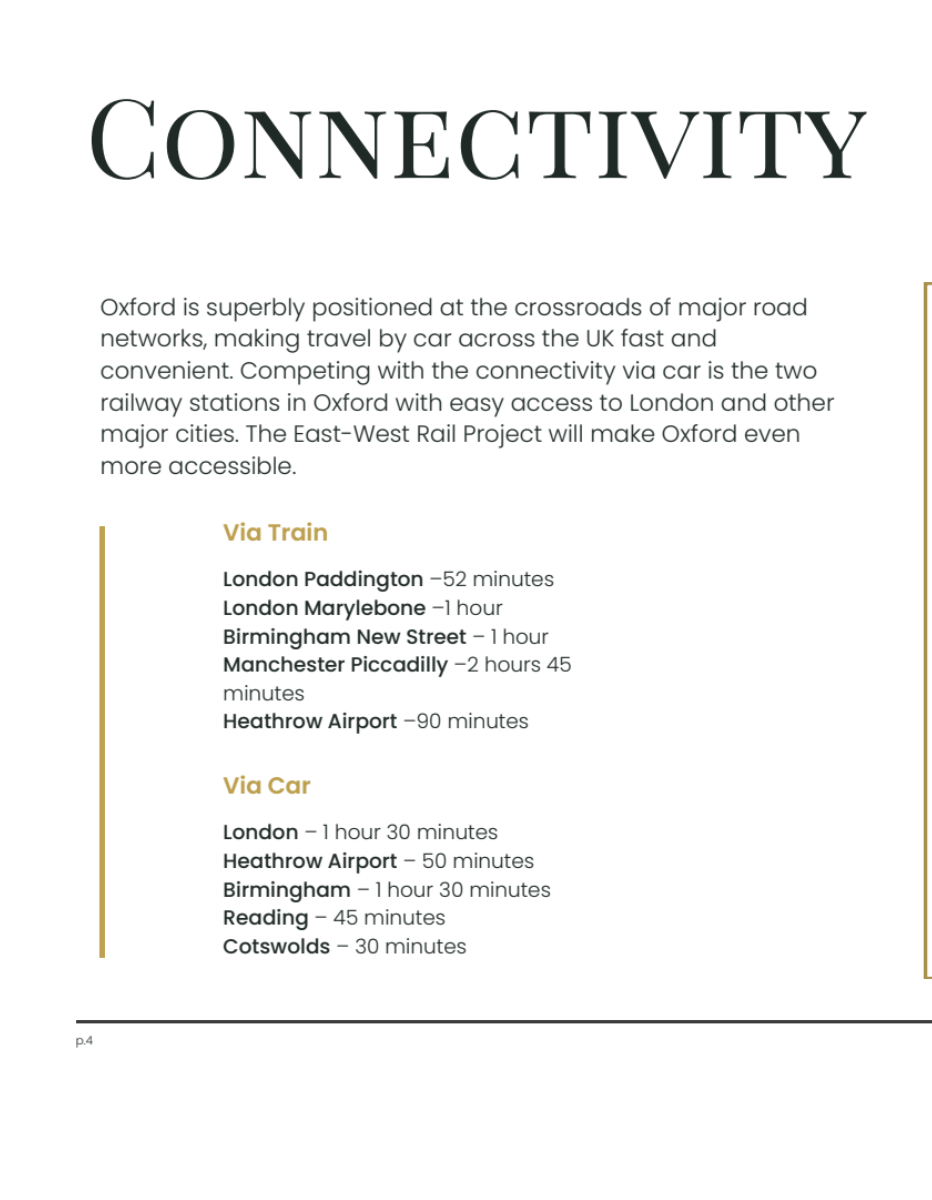
Despite its historic character, Oxford is exceptionally well connected, which widens its tenant pool to commuters across the South East. Fast trains reach London Paddington in about 52 minutes and London Marylebone in around an hour, with Birmingham roughly an hour away. By road, London is about 90 minutes and Heathrow under an hour. The upcoming East–West Rail project will improve links further, strengthening Oxford’s role as a commuter base and supporting future demand.
Is Oxford a Good Property Investment in 2026?
For investors seeking security over speculation, Oxford is one of the UK’s most compelling markets. It combines a world-class knowledge economy, a rapidly expanding science sector, deep and diverse tenant demand, and a supply shortage that underpins both rents and values. Yields in the right postcodes reach 5%–6.5%, while the city’s fundamentals offer the long-term capital security that’s increasingly rare elsewhere.
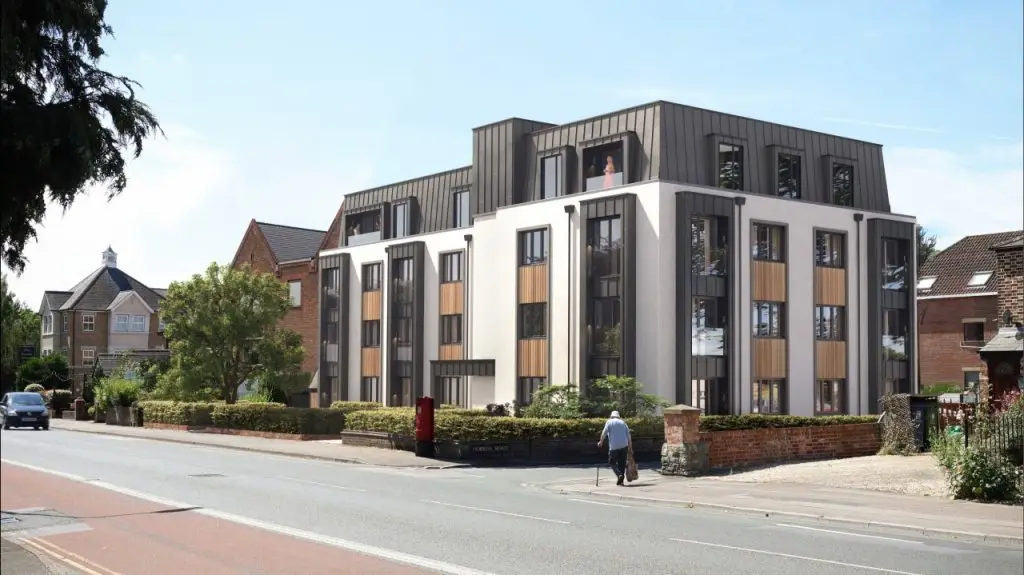
The challenge, as ever, is access to the right property at the right price — which is where a specialist consultancy earns its place. Explore the Scholars Residence development in Summertown, or contact our team to discuss current Oxford opportunities, request floor plans and pricing, or download the full brochure.
Frequently Asked Questions
Is Oxford a good place to invest in property in 2026? Yes. Oxford combines chronically restricted housing supply with strong demand from 40,000+ students and a growing science and healthcare workforce, giving it low vacancy rates, steady rent growth and resilient long-term values.
What rental yield can I expect in Oxford? Gross yields typically run 3.8%–4.8% across the city, rising to 5%–6.5% in stronger postcodes such as OX4 (Cowley and East Oxford). Prime central OX1 offers lower yields but greater prestige and stability.
Can international buyers invest in Oxford property? Yes. International investors can purchase Oxford property, and a specialist consultancy like Off-Market Realty manages sourcing, due diligence and the full end-to-end process for overseas buyers, including remote purchases.