
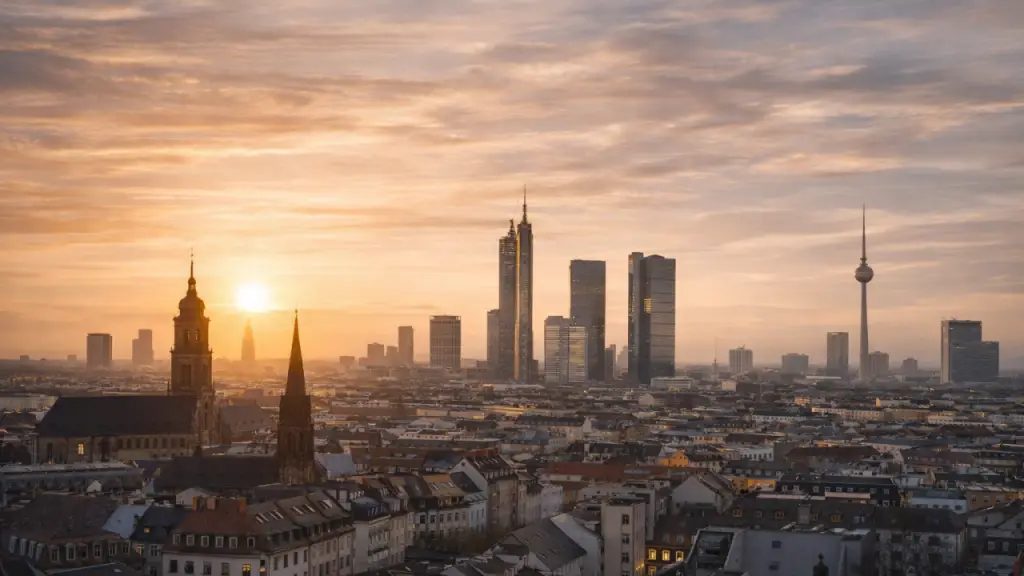
A Market Moving from Volatility to Clarity
As we move into 2026, European property markets are entering a more defined, opportunity-driven phase. After several years shaped by inflationary pressure, interest-rate recalibration, and geopolitical uncertainty, the landscape is beginning to stabilise. For informed investors, this transition is creating clearer signals, and increasingly compelling entry points.
Rather than broad market momentum, performance is now being driven by fundamentals, selectivity, and long-term positioning.
A Shift Back to Fundamentals
Across key European cities, we’re seeing a clear move away from speculative behaviour and toward assets supported by strong economic and demographic foundations. Demand is concentrating in locations with established employment bases, international appeal, and persistent housing undersupply.
Cities such as Berlin, Oxford, and select coastal and lifestyle hubs are benefiting from this reset. Investors are prioritising stability, liveability, and long-term growth over short-term appreciation, particularly in markets where supply constraints are structural rather than cyclical.
New-Build Scarcity Is Becoming a Key Driver
One of the most defining trends heading into 2026 is the growing importance of new-build quality and location. Across much of Europe, development pipelines remain constrained due to higher construction costs, financing pressures, and tighter planning regulations.
As a result, well-located new developments are becoming increasingly scarce. This imbalance between supply and demand is supporting rental growth and long-term capital appreciation, particularly in urban centres experiencing sustained population inflows.
Income Resilience Remains Strong
Rental demand across major European cities continues to outperform expectations. Professionals, students, and international workers are increasingly opting for flexibility, reinforcing demand in high-quality rental markets.
This trend is especially visible in cities anchored by world-class universities, research institutions, and global employers. These locations are demonstrating consistent occupancy, resilient rental levels, and long-term depth, key characteristics for investors focused on income security.
Tax Efficiency and Regulatory Clarity Matter More Than Ever
From an investor standpoint, tax treatment and legal transparency are playing a much larger role in capital allocation decisions. Markets offering clear regulatory frameworks and long-term tax efficiency are attracting sustained international interest.
Germany remains a strong example, particularly for long-term holders, due to its stable rental environment and favourable capital gains treatment when assets are held over time. As global capital becomes more selective, these factors are increasingly influencing where and how, investors deploy capital.
2026 Will Reward Strategy, Not Speculation
Looking ahead, European real estate is unlikely to reward broad exposure or headline-driven decisions. Instead, performance will be shaped by an understanding of micro-locations, supply dynamics, and demographic trends.
At Off-Market Realty, our focus remains on identifying projects that align with these fundamentals: strong locations, high-quality developments, and markets built for long-term performance. As Europe continues to recalibrate, we believe 2026 will favour investors who think long-term, act early, and prioritise fundamentals over noise.
Frequently Asked Questions
Is 2026 a good time to invest in European property? Yes, for selective long-term investors, the market is stabilising after years of volatility, with the strongest returns in supply-constrained cities with deep demand.
Which European markets are strongest for investors in 2026? Cities with established employment, international appeal and housing under supply, such as Berlin and Oxford, plus select coastal and lifestyle hubs.
Why is Germany attractive for property investors? Clear legal frameworks, a stable rental environment and favourable long-term capital gains treatment for assets held over time.